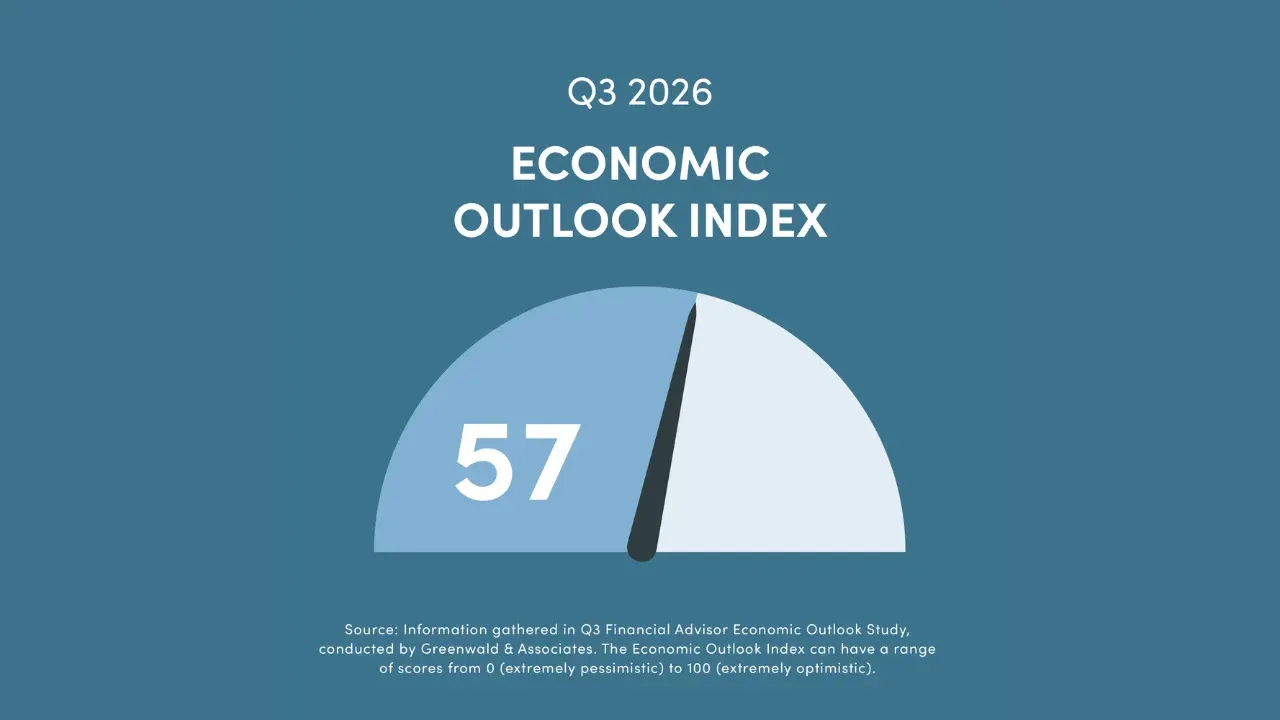

KBRA’s latest quarterly research, "The Forward Look—U.S. Credit Insights: Q3 2026," identifies the primary economic indicators and market forces expected to dictate credit performance. Chief Strategist Van Hesser highlights a landscape shaped by resilient U.S. economic growth and robust corporate earnings, which currently support manageable default rates and favorable financial conditions across the broader credit spectrum.
Resilient Growth and Credit Spread Stability
The report suggests that current credit market conditions are being sustained by steady economic expansion and strong corporate earnings growth. These factors are fostering easy financial conditions and keeping both business and consumer defaults at manageable levels. Despite geopolitical developments, idiosyncratic credit deterioration, and technical pressures stemming from heavier-than-expected new-issue supply, credit spreads have remained relatively resilient. KBRA expects demand to remain strong across most of the credit curve, excluding the highest-risk segments, as investors prioritize attractive income yields and asset durability in the current environment.
Emerging Headwinds and AI Infrastructure Risks
Looking toward the upcoming quarter, KBRA identifies several variables that could materially impact market stability. The agency is closely monitoring the massive debt issuance required to finance artificial intelligence infrastructure and the subsequent pace of development and productivity gains. Additionally, the report flags potential risks regarding consumer spending resilience, which faces headwinds from lower wage growth, persistent inflation, and a softening labor market. Other critical monitoring points include uncertainty surrounding the long end of the yield curve and the impact of oil distillate prices, which the agency notes can act as a tax on economic growth.
Key Takeaways
- Strong corporate earnings and U.S. economic growth are currently maintaining manageable default levels.
- Credit spreads have demonstrated resilience against geopolitical volatility and increased new-issue supply.
- AI-related debt issuance for infrastructure development is identified as a significant upcoming market factor.
FinanceInsyte's Take
In our view, KBRA’s analysis signals a pivot from broad macroeconomic optimism toward a more granular assessment of sector-specific risks. While the current credit environment remains supported by earnings, the focus on AI infrastructure debt and consumer spending headwinds suggests that volatility could emerge from concentrated capital expenditures and shifting labor dynamics. Investors should prepare for a bifurcated market where durability and income stability become the primary defensive metrics against potential inflationary and infrastructure-related pressures.
Questions & Answers
How is AI development expected to influence credit markets?
The scale of debt issuance required to finance AI infrastructure and the pace of its buildout are identified as key factors that could materially impact credit markets.
What specific consumer risks is KBRA monitoring?
The agency is watching for a decline in consumer spending resilience driven by lower wage growth, persistent above-target inflation, and a less favorable labor market.
Why have credit spreads remained stable despite new supply?
Spreads have proven resilient to geopolitical developments and technical pressures from heavier-than-expected new-issue supply, supported by attractive income considerations.
What role do energy prices play in this outlook?
The price of oil distillates is highlighted as a potential headwind that adds a "tax on growth" to the economic landscape.
Source: Businesswire