
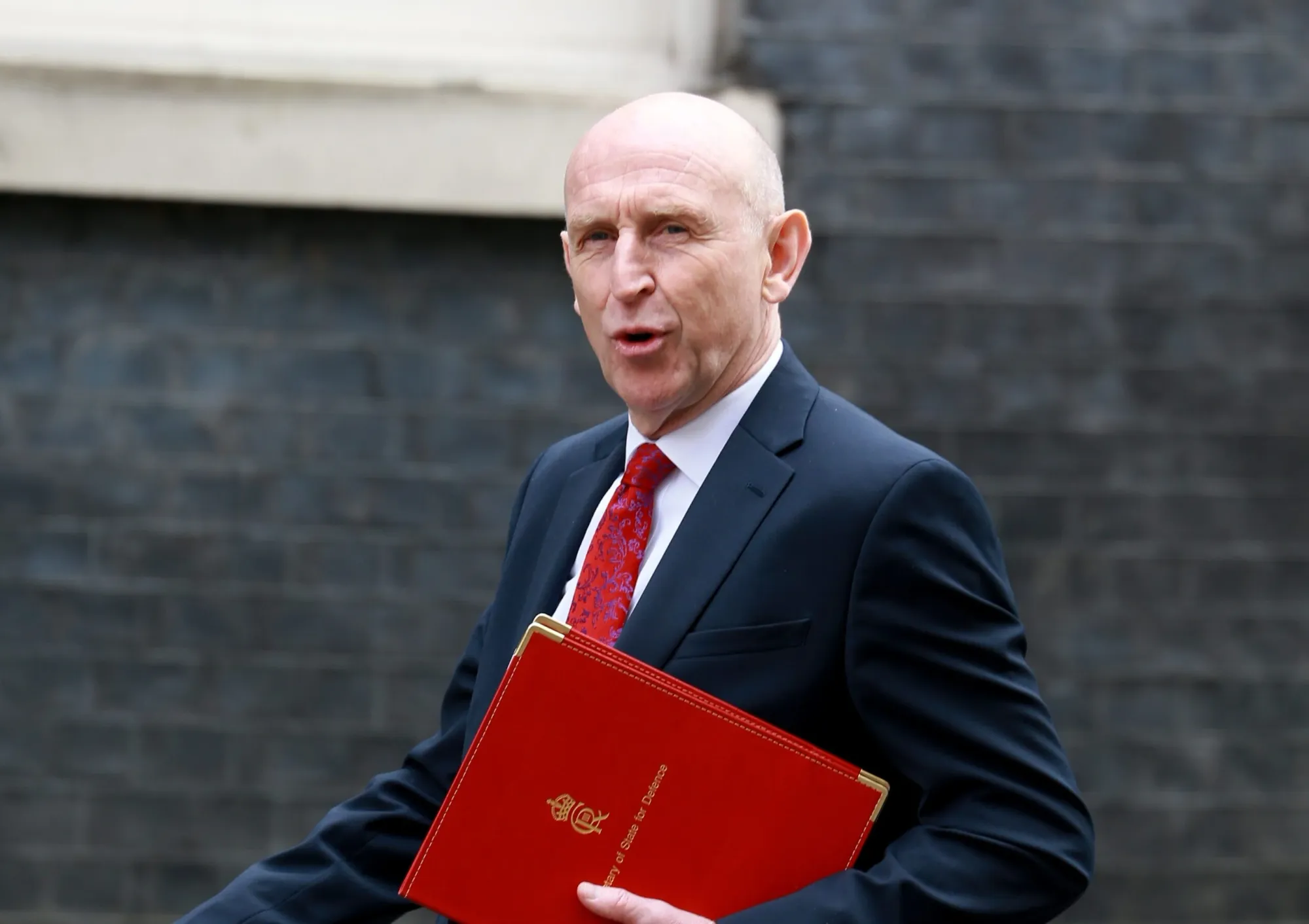
Prime Minister Andy Burnham’s decision to appoint John Healey as finance minister has provided temporary stability to the United Kingdom's jittery government bond market following initial volatility. While Healey is viewed by many analysts as a "safe pair of hands" due to his previous experience in junior finance ministry roles, his appointment comes amid significant questions regarding the scale of upcoming borrowing and potential tax hikes. As the new administration outlines its fiscal priorities, including increased defense spending and social housing expansion, financial institutions and investors are closely monitoring how the Treasury will balance ambitious spending promises against a stretched public purse and a struggling economy.
John Healey Appointment and Market Stabilization
The appointment of John Healey has served to calm investor anxiety, particularly after borrowing costs spiked on Monday following Prime Minister Andy Burnham’s comments regarding fiscal rule flexibility. Investors had expressed concern that the appointment of former energy minister Ed Miliband might signal a higher appetite for borrowing to fund green investments. However, Healey’s background, including two spells in junior finance roles under Gordon Brown, suggests a deep understanding of public finances. Despite this reassurance, market participants remain cautious. Nigel Green, CEO of deVere Group, noted that the appointment may simply be a strategic move to provide market reassurance while Burnham determines how far he can push fiscal boundaries.
The fiscal landscape is further complicated by existing pressures on the UK economy. Day-to-day spending was reported at £42 billion in the red during the first three months of the tax year, exceeding forecasts by £1.3 billion. Furthermore, the Resolution Foundation estimates that the impact of the Iran war could cost approximately £14 billion. These factors leave Healey with a historically low £10 billion of "wiggle room" to meet 2030 fiscal targets, even before accounting for new commitments to defense, housing, or social care. Consequently, the relationship between Burnham’s high-spend messaging and Healey’s ability to manage market expectations remains a critical focal point for the financial sector.
Defense Spending and Potential Tax Implications
A significant driver of market movement is the expectation of increased defense expenditure. UK weapons-maker stocks rose on Tuesday as investors anticipated that defense spending could reach 3% of economic output by 2030. This would represent a notable increase from the 2.7% target previously agreed upon by the Starmer government and could cost an additional £10 billion annually. This upward pressure on spending coincides with other Burnham priorities, such as maintaining the triple-lock mechanism for state pensions—estimated to cost £13 billion more than cheaper alternatives—and addressing the multi-billion-pound social care crisis.
With public finances under intense pressure, the possibility of tax increases is becoming a central theme for the upcoming budget. Although the government has pledged not to raise main rates of taxation, Prime Minister Burnham has suggested that meeting fiscal targets might require "asking for a little more" through other channels. Analysts suggest this could manifest as higher taxes on capital gains, inheritance, property purchases, or the introduction of a new wealth levy. Rob Wood, chief UK economist at Pantheon, indicated that such policies could lead to higher inflation pressure and potentially higher interest rates. As the government seeks to fund new policies, such as removing VAT from domestic power bills, the clarity of its funding mechanisms remains a primary concern for the banking and investment communities.
Key Takeaways
- Defense spending is projected to potentially rise to 3% of economic output by 2030, costing roughly an extra £10 billion per year.
- Day-to-day spending was £42 billion in the red during the first three months of the tax year, which is £1.3 billion above current forecasts.
- The Resolution Foundation estimates the impact of the Iran war on public finances at approximately £14 billion.
FinanceInsyte's Take
In our view, the appointment of John Healey is a tactical move designed to buy the Burnham administration time, rather than a definitive signal of fiscal conservatism. While the move successfully stabilized the government bond market in the short term, the underlying math remains deeply problematic. The combination of a £10 billion "wiggle room" margin and massive new commitments—such as the £13 billion pension triple-lock and increased defense targets—creates a mathematical inevitability of either higher borrowing or significant tax shifts. This signals that the Treasury will face an extremely difficult balancing act this autumn. For financial infrastructure and institutional investors, the primary risk is no longer the identity of the finance minister, but the potential for prolonged uncertainty. If the government delays its budget, the resulting market volatility could undermine the very stability Healey was appointed to protect.
Source: https://www.reuters.com/