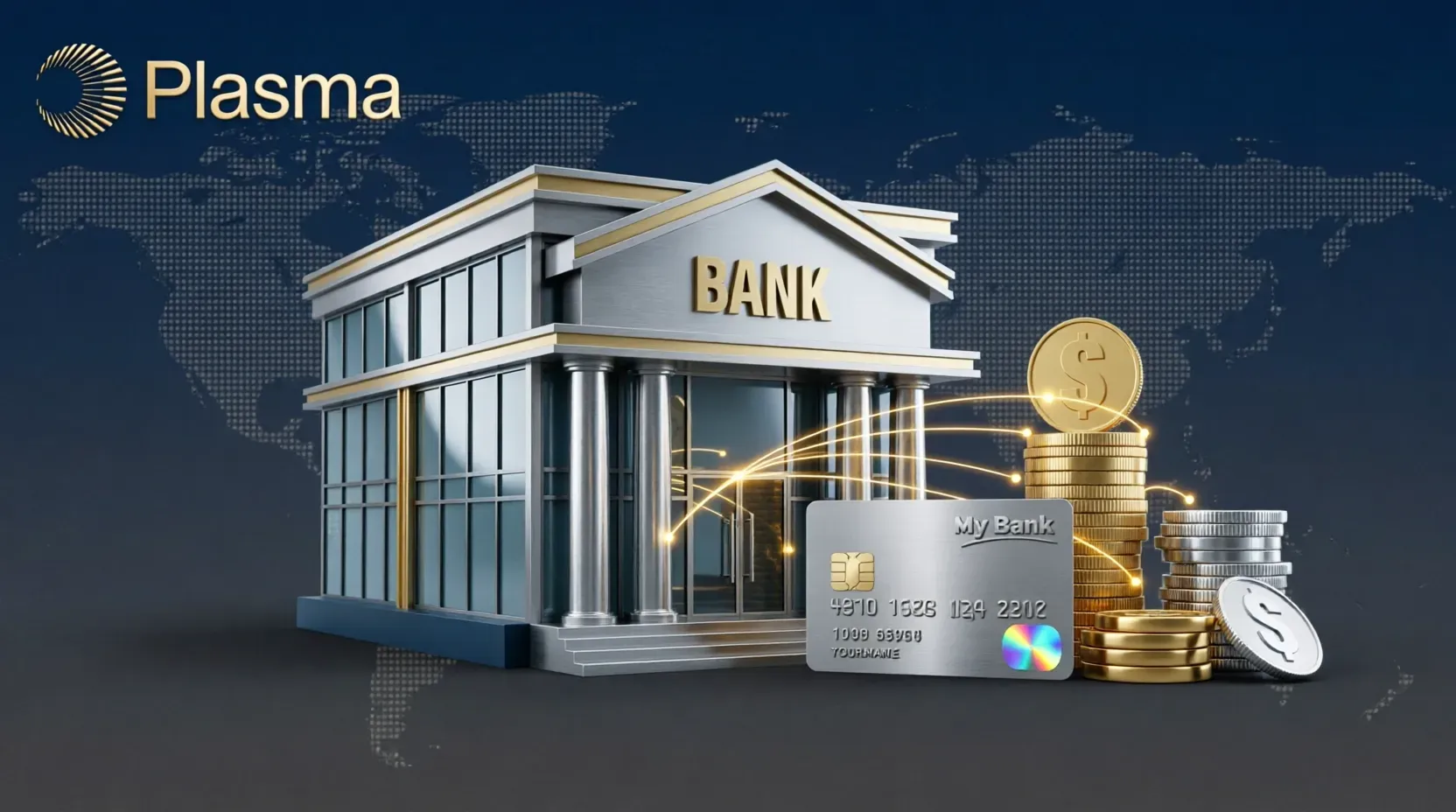
Plasma has launched Plasma One, a London‑based fintech’s flagship product that lets users deposit, spend, send and earn with stablecoins from a single app. The offering bundles a proprietary blockchain, Visa card, and multi‑currency virtual accounts, aiming to make digital dollars feel like everyday money for consumers and businesses. By consolidating the fragmented pieces that have traditionally separated wallets, exchanges, and costly off‑ramps, Plasma One promises a seamless, zero‑fee experience that mirrors the convenience of modern neobanks while leveraging the speed and global reach of blockchain technology. The launch marks a strategic bet that stablecoins, when presented through an integrated user‑centric platform, can move beyond niche trading circles and become a routine part of personal finance.
Plasma One Introduces an Integrated Stablecoin Banking Experience
Plasma One is marketed as a “stablecoin‑as‑money” solution that consolidates wallets, exchanges and off‑ramps into one platform with zero fees. The app runs on the Plasma Network, the company’s own blockchain built to move stablecoins instantly, cheaply and reliably at global scale. By owning the underlying infrastructure, Plasma says it is creating a vertically integrated stack that includes blockchain infrastructure, liquidity, payments, licensing and consumer distribution.
The product’s feature set mirrors that of modern neobanks, but each function is underpinned by on‑chain mechanics:
- Deposit – Users can add stablecoins directly from external wallets or fund the account in USD, EUR, GBP, MXN and BRL via dedicated virtual accounts linked to local payment rails, including SEPA, Faster Payments and ACH. This dual‑path approach lets users choose between on‑chain transfers and traditional bank‑grade fiat top‑ups, reducing friction for both crypto‑savvy and conventional users.
- Spend – A Plasma One Visa card works in more than 180 countries. Cashback rewards range from up to 4 % on qualified purchases to tiered AI‑focused benefits: the Core tier offers 5 % cashback plus a year of ChatGPT Go, while the Platinum tier provides 10 % cashback, a ChatGPT Go subscription and Claude Pro. Because the card draws directly from on‑chain stablecoin balances, merchants receive settlement in fiat equivalents without the latency typical of crypto payments.
- Send – Unlimited cross‑border transfers settle on the Plasma Network in seconds with no fees. The network’s design eliminates the need for correspondent banks, allowing users to move money across borders as quickly as a domestic ACH transaction.
- Earn – Idle balances can be allocated to on‑chain yield opportunities described as “competitive.” While the exact rates are not disclosed, the promise of on‑chain yields differentiates Plasma One from traditional savings accounts that often offer lower returns.
Founder and CEO Paul Faecks emphasized that stablecoins will not become mainstream through “another app sitting on top of someone else’s rails,” highlighting that Plasma One combines network, payments stack and user experience into a single platform. Chief Strategy Officer Zaheer Ebtikar noted that global stablecoin supply has roughly doubled in the last two years, but adoption remains limited; Plasma One aims to make stablecoins “simple enough for anyone to use every day.” By delivering a familiar neobank interface while retaining the technical advantages of a purpose‑built blockchain, the product seeks to lower the barrier to entry for both retail users and small businesses.
Market Context and Early Adoption Metrics
Plasma positions itself alongside London fintechs such as Revolut, Wise and Monzo, arguing that the next generation of consumer banking will rely on stablecoin rails rather than legacy infrastructure. The company’s private beta has already attracted 5,000 weekly active users, and the public launch marks the start of a roadmap that will add further consumer and business capabilities.
The product’s multi‑currency virtual accounts connect directly to local payment rails, potentially reducing reliance on traditional correspondent banking relationships. By offering a Visa card with global acceptance, Plasma One seeks to bridge the gap between blockchain‑based assets and everyday merchant payments.
Relevance for Financial Institutions and Regulators
Plasma explicitly states it is a financial technology company, not a regulated financial institution, bank, money‑services business or investment advisor. The stablecoin assets held in a Plasma One account are owned and custodied by the user; Plasma does not custody assets. The disclaimer also warns that the value of any cryptocurrency, including stablecoins pegged to fiat or commodities, may go to zero and that balances are not bank deposits.
For banks and payment processors, the launch illustrates a model where stablecoin issuance, settlement and consumer‑facing services are bundled under a single corporate entity. This could prompt regulators to examine how such vertically integrated stacks address AML/KYC, consumer protection and systemic risk, especially given the product’s claim of “zero fees” and on‑chain yield generation.
Key Takeaways
- Plasma One launches as an all‑in‑one app for depositing, spending, sending and earning with stablecoins, built on Plasma’s proprietary blockchain.
- The product offers multi‑currency virtual accounts linked to SEPA, Faster Payments and ACH, and a Visa card with up to 10 % AI‑focused cashback.
- Plasma’s private beta reported 5,000 weekly active users; the company emphasizes that it does not custody assets and that stablecoin balances are not bank deposits.
FinanceInsyte's Take
Plasma One demonstrates a concrete attempt to embed stablecoins within everyday financial workflows, leveraging a proprietary network to sidestep traditional banking layers. Executives should monitor how regulators respond to the blended fintech‑blockchain model and whether the zero‑fee structure signals sustainable as the user base scales.
Source: Businesswire