Metropolitan Stock Exchange of India (MSE) announced that it will use NTT DATA’s Chandivali Data Center campus in Mumbai to host its next‑generation trading infrastructure. The deployment will deliver 6.4 MW of high‑density power, supporting ultra‑low‑latency, multi‑asset trading across equities, derivatives and debt markets. The move is positioned as a core element of MSE’s strategic relaunch and technology roadmap.
MSE Selects NTT DATA’s Chandivali Campus for Trading Infrastructure
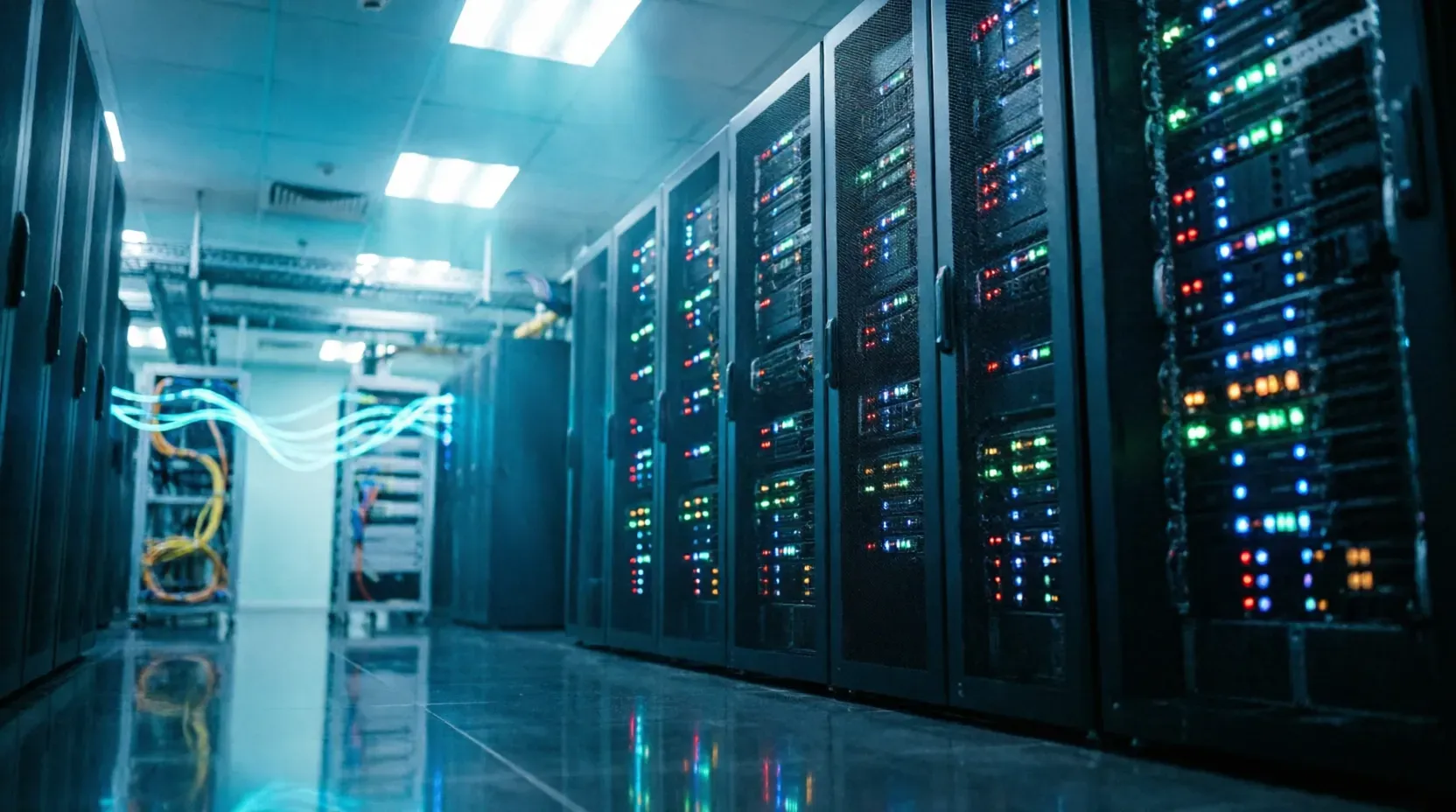
MSE, a SEBI‑recognised national stock exchange, has contracted NTT Global Data Centers to provide the physical environment for its upgraded platform. The Chandivali campus, described as India’s largest operational data‑center park, will host up to 52U racks, each capable of drawing 17.2 kW. The high‑density layout is intended to accommodate advanced trading engines, algorithmic trading platforms and AI‑driven market‑surveillance systems while maintaining energy efficiency through advanced cooling and optimized rack design.
Latika S Kundu, Managing Director & CEO of MSE, said the partnership “enables us to accelerate our technology roadmap, enhance market efficiency, and provide a robust platform for brokers, institutional participants and investors.” NTT’s Vice President and Country Managing Director for India, Vimal Kaw, highlighted the mission‑critical nature of stock‑exchange infrastructure and expressed pride in supporting MSE’s scalability goals.
Capital‑Market Evolution Drives Infrastructure Upgrade
The announcement comes amid rapid evolution in India’s capital markets, where participants demand faster execution, greater transparency and fault‑tolerant systems. By locating its servers within NTT’s hyperscale‑ready campus, MSE gains proximity to a dense ecosystem of carriers, cloud providers and financial‑services firms. This interconnection is expected to reduce latency for high‑frequency trading and market‑data dissemination, while multiple fiber paths provide resilient connectivity.
MSE’s transformation aligns with broader trends of digitisation and multi‑asset trading across the country. The exchange, founded in 2008, has positioned itself as a multi‑asset platform seeking to expand liquidity and participation. Upgrading its technology backbone is presented as essential to meeting the growing demand for speed and reliability in trading operations.
Implications for Market Participants and Infrastructure Strategy
The deployment’s 6.4 MW capacity signals a substantial scaling of MSE’s compute and networking needs. Access to a highly interconnected data‑center environment may improve order‑to‑execution times, which is critical for algorithmic and high‑frequency traders. Additionally, the energy‑efficient design could support future growth without proportionate increases in operational costs.
For financial‑services firms that rely on MSE’s market data or execution services, the enhanced platform promises higher availability and more robust risk‑management capabilities. The partnership also underscores the role of purpose‑built data‑center ecosystems in supporting the next phase of growth for exchanges and related digital trading participants in India.
Key Takeaways
- MSE will host its next‑generation trading platform at NTT DATA’s Chandivali Data Center, receiving 6.4 MW of high‑density IT load capacity.
- The Chandivali campus offers 52U racks with up to 17.2 kW per rack, advanced cooling, and multiple fiber paths to reduce latency for high‑frequency trading.
- The upgrade is aimed at delivering ultra‑low‑latency trading, real‑time risk management and high availability across capital‑market, derivatives and debt segments.
FinanceInsyte's Take
MSE’s shift to a hyperscale‑ready data‑center reflects a clear priority on speed and resilience as Indian markets mature. While the infrastructure upgrade positions the exchange to meet higher performance expectations, the actual impact on trading latency and market participation will depend on how quickly participants adopt the new platform. Executives should monitor latency metrics and connectivity performance as the rollout progresses.
Source: Businesswire