
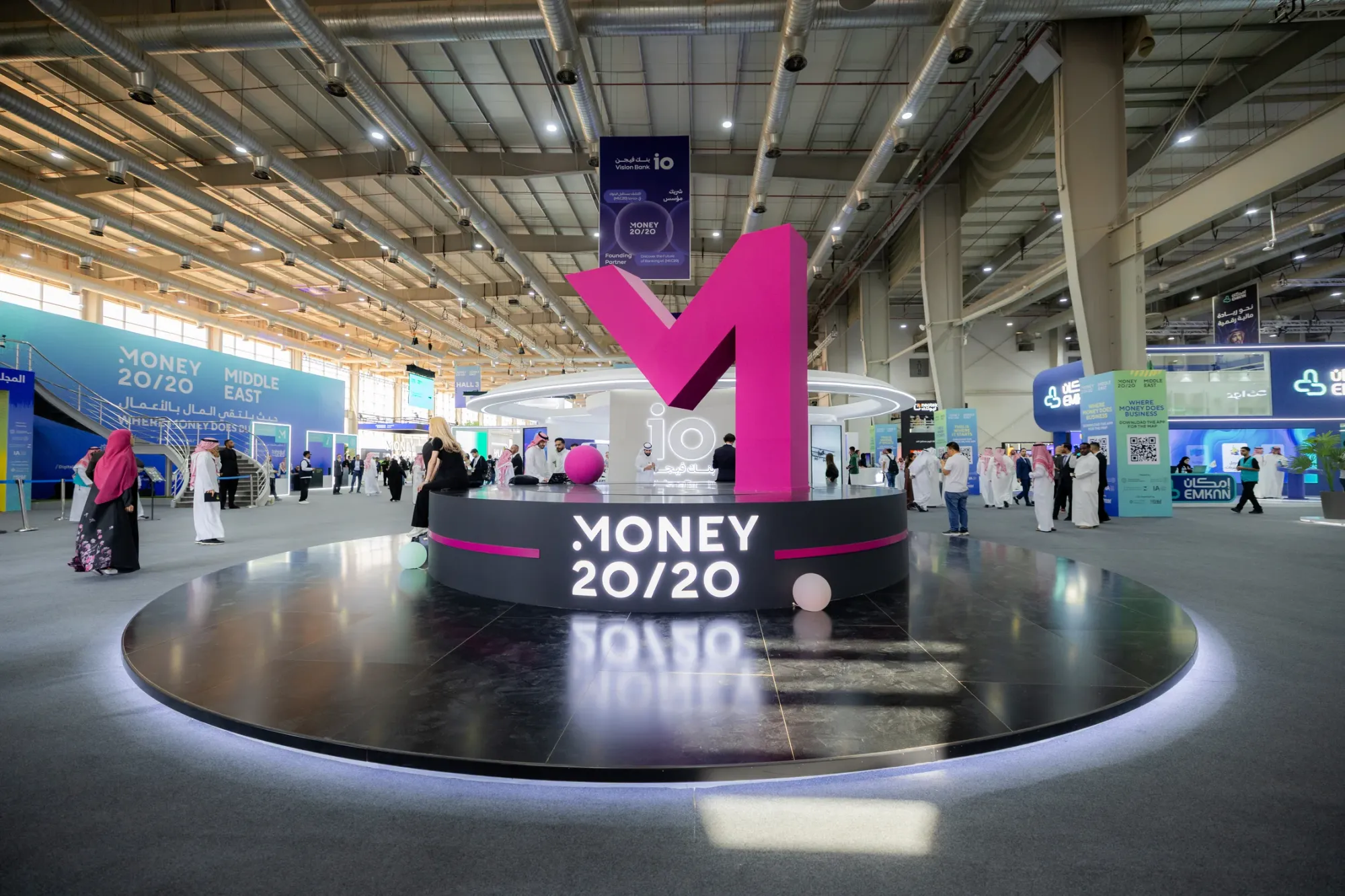
Saudi Arabia is positioning Riyadh as a central node in the global financial ecosystem by hosting the 2026 Money20/20 Middle East summit. Scheduled for 14–16 September 2026 at the Riyadh Exhibition & Convention Centre in Malham, the event aims to bridge the gap between regional innovators and global institutional capital. The summit is expected to convene over 38,000 attendees, including 600 investors and 150 startups, alongside 350 exhibiting brands. By bringing together high-level policymakers and executives from firms such as BlackRock, Deutsche Bank, and Visa, the organizers are testing whether the Kingdom can successfully leverage its Financial Sector Development Program to attract long-term international investment and drive the next phase of fintech evolution.
Institutional Participation and Agentic Commerce Focus
The 2026 programme is structured to address the technical and operational shifts occurring within global capital markets and payment infrastructures. A significant portion of the agenda is dedicated to "agentic commerce," a concept exploring how AI agents might execute transactions, including merchant selection and payment authorization, on behalf of consumers. Visa’s Godfrey Sullivan, Senior Vice President, Head of Products & Solutions, CEMEA, is slated to lead a session on this topic, specifically addressing the complexities of refunds, disputes, and liability in an automated environment. This focus suggests a strategic pivot toward understanding the governance and security requirements of autonomous finance.
Beyond AI, the summit intends to examine the convergence of instant payment networks and programmable financial infrastructure. BlackRock’s Tony Ashraf, Managing Director, will participate in discussions regarding the evolution of the payments landscape. The event also features leadership from State Street, BNY, and Deutsche Bank, with Joy Adams, Chief Operating Officer, Digital Assets Transformation, Corporate Bank, scheduled to discuss the development of intelligent financial institutions. This concentration of institutional heavyweights indicates that the summit is targeting the intersection of traditional banking stability and emerging digital asset capabilities, aiming to facilitate high-level partnerships between established banks and fintech disruptors.
Regulatory Frameworks and Saudi Vision 2030
The summit functions as a direct extension of Saudi Arabia’s broader economic mandates, specifically the Financial Sector Development Program (FSDP) and Saudi Vision 2030. The event is hosted by a coalition of key regulatory bodies, including the Saudi Central Bank (SAMA), the Capital Market Authority (CMA), and the Insurance Authority (IA). Nora M. Albakr, Deputy Governor for Financial Innovation at the Saudi Central Bank, is scheduled to deliver an opening keynote, signaling the central role that state-led regulation plays in the Kingdom's fintech ambitions.
Organizers are positioning the event to explore how regulatory environments can support innovation while maintaining stability. Discussions are expected to cover the governance of agentic AI, the expansion of Saudi-built companies into international markets, and the specific conditions required to attract sustained global capital. By co-organizing with Fintech Saudi and Tahaluf, the summit seeks to create a formal channel where regional founders can engage directly with global investors. This structure is designed to move beyond mere dialogue, aiming instead to facilitate the actual deployment of capital and the establishment of cross-border financial corridors that integrate the Middle East more deeply into the global money ecosystem.
Key Takeaways
- The 2026 summit expects to host over 38,000 attendees, 350 exhibitors, and 600 investors in Riyadh.
- The agenda includes a specific focus on "agentic commerce," examining how AI agents handle merchant selection, payments, and liability.
- Major financial institutions, including BlackRock, Deutsche Bank, State Street, BNY, and Visa, have confirmed senior leadership participation.
FinanceInsyte's Take
In our view, the scale and regulatory backing of the 2026 Money20/20 Middle East summit signal a concerted effort to institutionalize the Saudi fintech sector. This is not merely a networking event; it is a strategic deployment of soft power intended to validate the Kingdom's financial infrastructure to the world's largest asset managers and banks. By involving the Saudi Central Bank and the Capital Market Authority at the highest levels, the organizers are attempting to reduce the perceived "regulatory risk" that often deters global institutional capital from entering emerging markets. The emphasis on agentic commerce and programmable infrastructure suggests that Riyadh is not just looking to adopt existing fintech models, but is attempting to participate in the definition of the next generation of autonomous financial services. Success will depend on whether these high-level conversations translate into tangible cross-border capital flows.
Questions & Answers
How does the 2026 summit address the risks associated with AI-driven transactions?
The programme includes dedicated sessions on "agentic commerce," where leaders from Visa will explore the security, trust, and liability frameworks required when AI agents perform merchant selection, payments, and authorizations on behalf of customers.
Which regulatory bodies are supporting the Money20/20 Middle East event?
The event is hosted by the Saudi Central Bank (SAMA), the Capital Market Authority (CMA), and the Insurance Authority (IA), all of which are part of the Financial Sector Development Program (FSDP).
What is the projected scale of institutional and investor participation for the 2026 event?
The summit expects to welcome more than 600 investors, 350 exhibiting brands, and 150 startups, alongside a total of over 38,000 attendees.
How does the summit link to Saudi Arabia's national economic strategy?
The event is designed to support the ambitions of Saudi Vision 2030 and the Financial Sector Development Program by connecting local founders and financial institutions with global investors and technology leaders to drive investment and market access.
Source: EINPresswire