


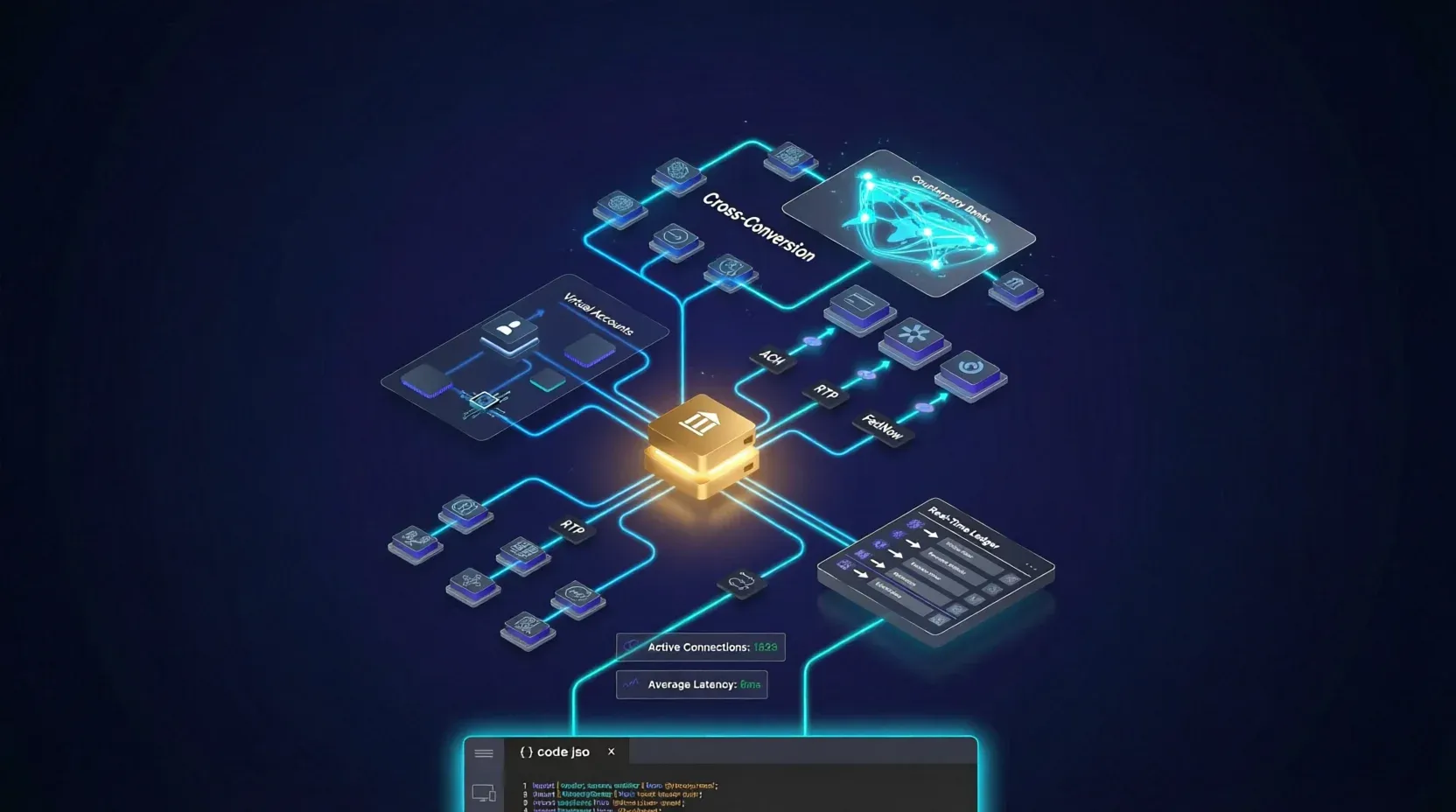
FIS is attempting to secure the traditional banking relationship within the rapidly expanding embedded finance ecosystem by launching its new Embedded Banking Platform. This strategic move targets U.S. banks, providing the technical infrastructure necessary to integrate core services—including account opening, card issuing, and expense management—directly into the third-party business software and accounting tools that corporate clients utilize daily. By facilitating this integration, FIS aims to help banks meet rising corporate demands for native software banking while maintaining direct control over the underlying financial assets and regulatory compliance.
FIS Embedded Banking Platform Integration Capabilities
The FIS Embedded Banking Platform functions as an infrastructure layer that allows banks to embed their specific accounts and payment capabilities into vertical software providers or fintech products. Rather than forcing corporate clients to migrate to a separate banking portal, the platform enables them to manage accounts receivable, accounts payable, and money movement within their existing operational workflows. To accommodate varying technical requirements of software partners, FIS is offering the platform through multiple delivery methods, including APIs, SDKs, embeddable widgets, or white-labeled applications. This flexibility is intended to allow software partners to maintain ownership of the user experience while the bank provides the backend financial utility. The company has already identified pilot participants for this rollout, including Cogent Bank, Commercial Bank of California, and M&T Bank.
Maintaining Balance Sheet Control and Regulatory Position
A central component of the FIS offering is the architectural decision to keep customer accounts on the bank's own balance sheet rather than utilizing a third-party virtual ledger. FIS is positioning this structure as a method for banks to retain full customer ownership and a "cleaner" regulatory position, which the company suggests leads to more durable infrastructure and simpler compliance processes. This model differentiates the platform from many embedded finance solutions that rely on intermediary ledgers, which can complicate the legal relationship between the end-user and the regulated institution. By keeping the deposits and capital directly with the bank, the platform seeks to extend the bank's reach across the entire money lifecycle—from initial deposits to active capital deployment—without sacrificing the fundamental regulatory protections that define traditional banking institutions.
Key Takeaways
- FIS is launching its first embedded finance offering specifically designed for U.S. banks to integrate services into third-party business software.
- Pilot banks for the platform include Cogent Bank, Commercial Bank of California, and M&T Bank, with accounts and payments scheduled for Q4 2026.
- The platform architecture ensures accounts reside on the bank's balance sheet rather than a third-party ledger to maintain regulatory control.
FinanceInsyte's Take
In our view, FIS is executing a defensive maneuver to prevent banks from being sidelined by the "platformization" of finance. As corporate clients increasingly demand that banking functions exist natively within their ERP and accounting suites, traditional banks face the risk of becoming invisible utility providers. By providing the plumbing for this integration, FIS is helping banks fight for relevance. The emphasis on balance-sheet-level control is a critical strategic pivot; it addresses the primary anxiety of institutional leaders regarding the loss of customer data and regulatory oversight to fintech intermediaries. If the Q4 2026 rollout succeeds, it could redefine how commercial banks compete for corporate deposits.
Questions & Answers
How does the FIS platform impact the bank's relationship with the end customer?
The platform is designed so that while software partners manage the user interface, the bank retains full customer ownership and the primary relationship by keeping accounts on its own balance sheet.
What specific banking services can be embedded through this new infrastructure?
Banks can offer a suite of services including account opening, card issuing, accounts receivable, accounts payable, and expense management capabilities.
What is the projected timeline for the full deployment of accounts and payments?
According to the announcement, accounts and payments functionality are planned for release in Q4 2026.
How can software partners integrate these banking services into their existing products?
FIS provides multiple technical integration paths, allowing partners to use APIs, SDKs, embeddable widgets, or white-labeled applications.
Source: Businesswire


