
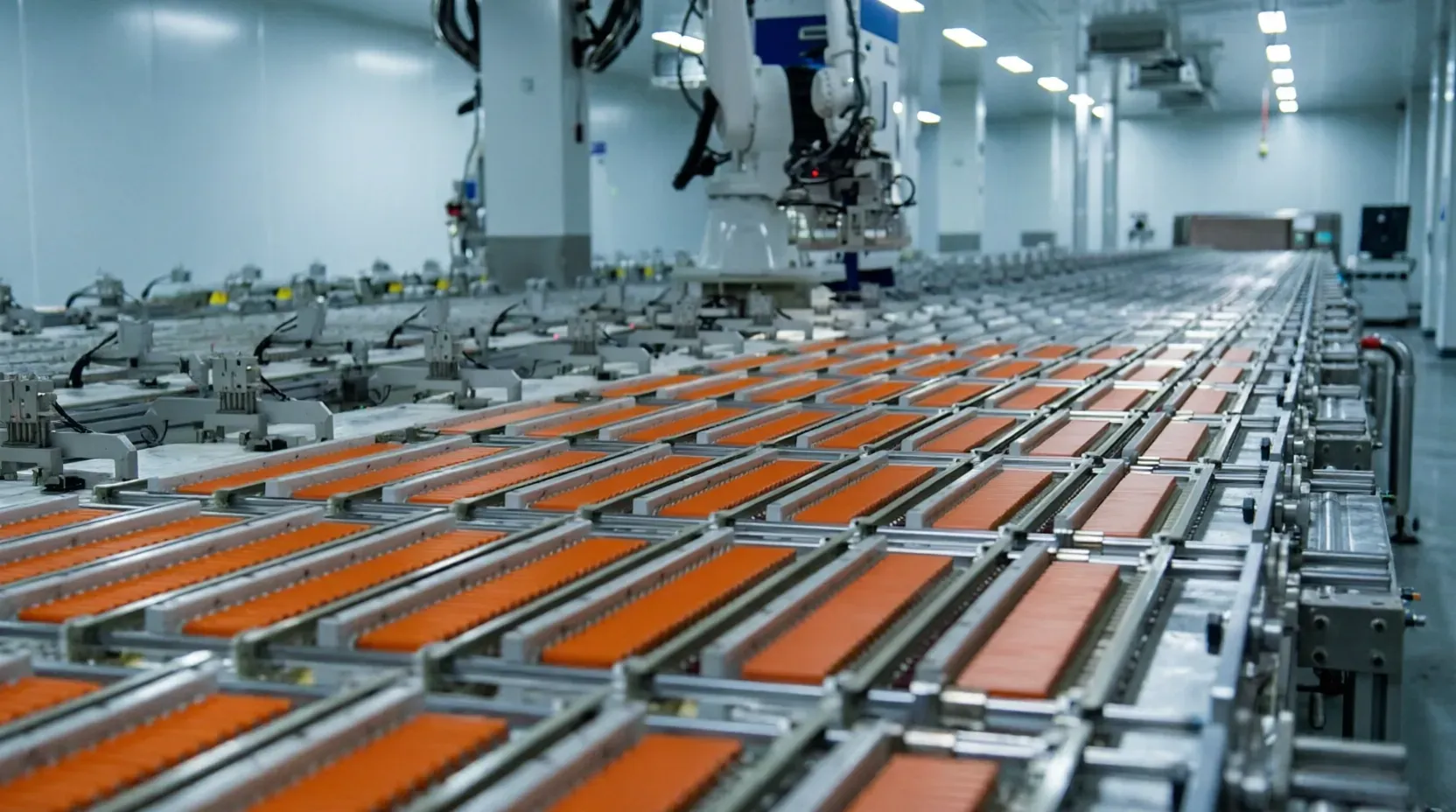
China's finance ministry announced a new consumption tax framework targeting previously tax-exempted renewable energy components. Starting September 1, the government will levy taxes on lithium-ion batteries and photovoltaic cells to address industrial overcapacity. This policy shift marks a significant departure from 2015 regulations that granted these specific technologies exemptions to support sector growth.
Phased Tax Implementation for Lithium and Solar
The new tax schedule begins September 1, when a 2% consumption tax will be applied to lithium primary batteries and lithium-ion batteries. This rate is scheduled to increase to 4% on September 1, 2027. For the solar sector, a 2% tax on solar cells will commence on April 1, 2027, with a subsequent increase to 4% one year later. To encourage next-generation technology, the ministry announced exemptions for sodium-ion batteries, solid-state batteries, fuel cells, and specific advanced solar cells from September 1, 2026, through the end of 2028.
Addressing Overcapacity and Industrial Upgrades
Chinese policymakers are utilizing these fiscal measures to manage industrial overcapacity within the electric vehicle (EV) battery and photovoltaic sectors. Amidst weakening domestic demand, the move is positioned as a mechanism to upgrade the industry and protect the environment, according to state-run news agency Xinhua. By taxing established lithium-ion and standard solar technologies, the government creates a fiscal distinction between mature, high-capacity production lines and emerging, high-tech alternatives. This strategic differentiation aims to rebalance the market while incentivizing the transition toward more advanced, specialized energy storage and generation hardware.
Key Takeaways
- Lithium-ion and lithium primary batteries face a 2% tax starting September 1, rising to 4% in 2027.
- Solar cells will be subject to a 2% consumption tax beginning April 1, 2027.
- Sodium-ion, solid-state, and fuel cells remain exempt from this tax between September 2026 and late 2028.
FinanceInsyte's Take
In our view, this policy signals a decisive pivot from volume-driven growth to value-driven technological advancement. By taxing mature lithium-ion and solar technologies, China is effectively using fiscal pressure to force manufacturers away from low-margin overcapacity and toward high-tech frontiers like solid-state and sodium-ion batteries. This move suggests that the government is prioritizing long-term industrial resilience and technological leadership over the immediate market dominance of legacy renewable energy components.
Source: Reuters