


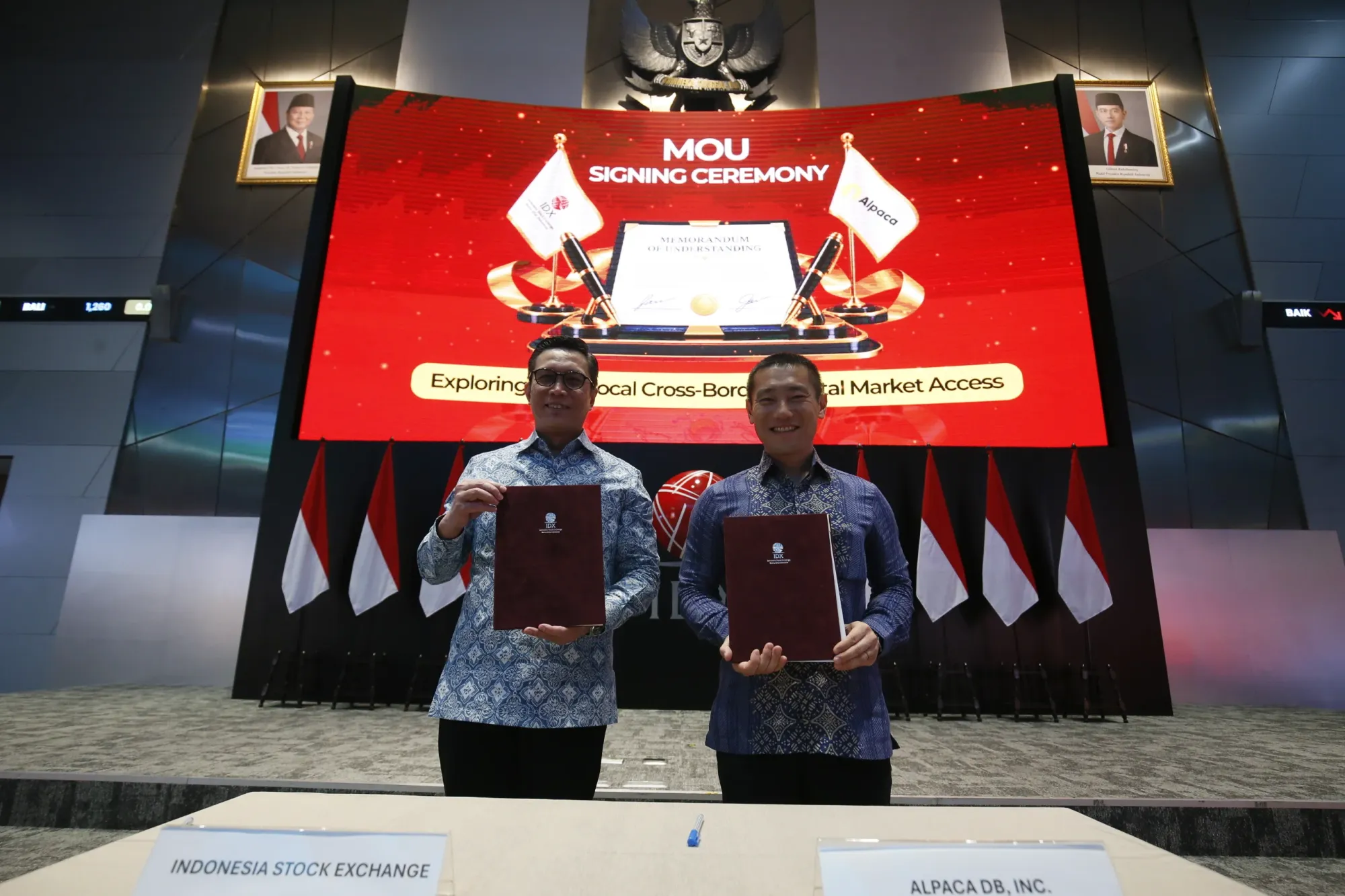
Alpaca is positioning itself to bridge the gap between Indonesian retail investors and global capital markets through a new strategic agreement with the Indonesia Stock Exchange (IDX). By leveraging the Penyaluran Amanat Luar Negeri (PALN) mechanism, the collaboration aims to facilitate reciprocal access between Indonesian securities and international markets. This move targets Indonesia's rapidly expanding investor base, which now exceeds 30 million participants, by providing the necessary brokerage infrastructure to connect local institutions with U.S. and other foreign securities via Alpaca’s API-driven services.
Exploring the PALN Framework for Global Connectivity
The agreement, signed on September 1, 2026, by Alpaca CEO Yoshi Yokokawa and IDX President Director Jeffrey Hendrik, establishes a formal framework to explore cross-border market integration. A central component of this initiative is the utilization of the Penyaluran Amanat Luar Negeri (PALN) mechanism. This specific regulatory pathway would allow Indonesian securities broker members to offer their clients access to foreign securities, including those traded in the U.S., by utilizing Alpaca’s execution, clearing, and custodial services.
Beyond outbound access for Indonesian retail investors, the parties intend to examine how international brokers and market participants might gain easier entry into Indonesia’s domestic capital market products. This dual-track approach seeks to create a more integrated financial ecosystem. For Indonesian brokers, the goal is to provide seamless integration of global assets into existing product suites, while for the IDX, it represents an opportunity to attract broader international liquidity and participation into the Indonesian market.
Capitalizing on Indonesia's Growing Retail Demand
The strategic motivation behind this partnership is rooted in the significant surge of retail participation within the Indonesian financial landscape. With the domestic investor count surpassing 30 million, there is a documented increase in demand for international investment opportunities. Alpaca is attempting to capture this momentum by offering its agent-first brokerage infrastructure to local fintechs and financial institutions. The company already maintains a footprint in the region, working with entities such as Ajaib, Gotrade, Nanovest, PT Valbury Asia Futures, and Reku.
By providing API-based infrastructure, Alpaca enables these local players to offer global market access without necessarily building the underlying clearing and custodial layers themselves. This model allows Indonesian firms to meet the sophisticated needs of their clients while remaining under the regulatory oversight of the Indonesia Financial Services Authority (OJK). The partnership essentially tests whether standardized brokerage infrastructure can effectively scale cross-border participation within a highly regulated emerging market environment.
Key Takeaways
- Alpaca and the Indonesia Stock Exchange (IDX) signed an agreement on September 1, 2026, to explore reciprocal cross-border market access.
- The collaboration intends to use the Penyaluran Amanat Luar Negeri (PALN) mechanism to allow Indonesian brokers to offer U.S. and other foreign securities to their clients.
- Indonesia's retail investor community has grown to exceed 30 million participants, driving demand for international market connectivity.
FinanceInsyte's Take
In our view, this agreement is a calculated move by Alpaca to institutionalize its presence in one of the world's most dynamic emerging retail markets. By aligning with the IDX and utilizing the formal PALN mechanism, Alpaca is moving beyond simple fintech partnerships and toward deep integration with national financial infrastructure. This signals a shift where global brokerage providers are no longer just service vendors but are becoming essential conduits for sovereign market connectivity. If successful, this framework could serve as a blueprint for how emerging markets leverage API-driven infrastructure to satisfy domestic demand for global diversification while simultaneously attracting foreign capital.
Questions & Answers
How will Indonesian brokers facilitate access to foreign securities under this agreement?
Indonesian brokers intend to use the Penyaluran Amanat Luar Negeri (PALN) mechanism, leveraging Alpaca’s infrastructure for execution, clearing, and custodial services to provide customers with access to U.S. and other foreign securities.
What is the primary driver for this cross-border initiative in Indonesia?
The initiative is driven by the rapid growth of Indonesia's retail investor community, which has surpassed 30 million participants and shows increasing demand for international investment opportunities.
Does this partnership only benefit Indonesian investors?
No; the agreement also includes exploring opportunities to facilitate access for international brokers and market participants to enter and utilize Indonesian capital market products and services.
Which regulatory body oversees the brokers involved in this process?
Indonesian retail investors will access global opportunities through securities brokers that are regulated by the Indonesia Financial Services Authority, known as Otoritas Jasa Keuangan (OJK).
Source: Businesswire


